Every few years, the market picks a new villain. And while I’m not a fan of pessimism, I have to admit that I love the prices it leaves behind.
The companies that excite me most today trade far below what they’re actually worth — not just below intrinsic value, but in some cases even below liquidation value. That’s coal. That’s oil. Nobody wants to touch them.
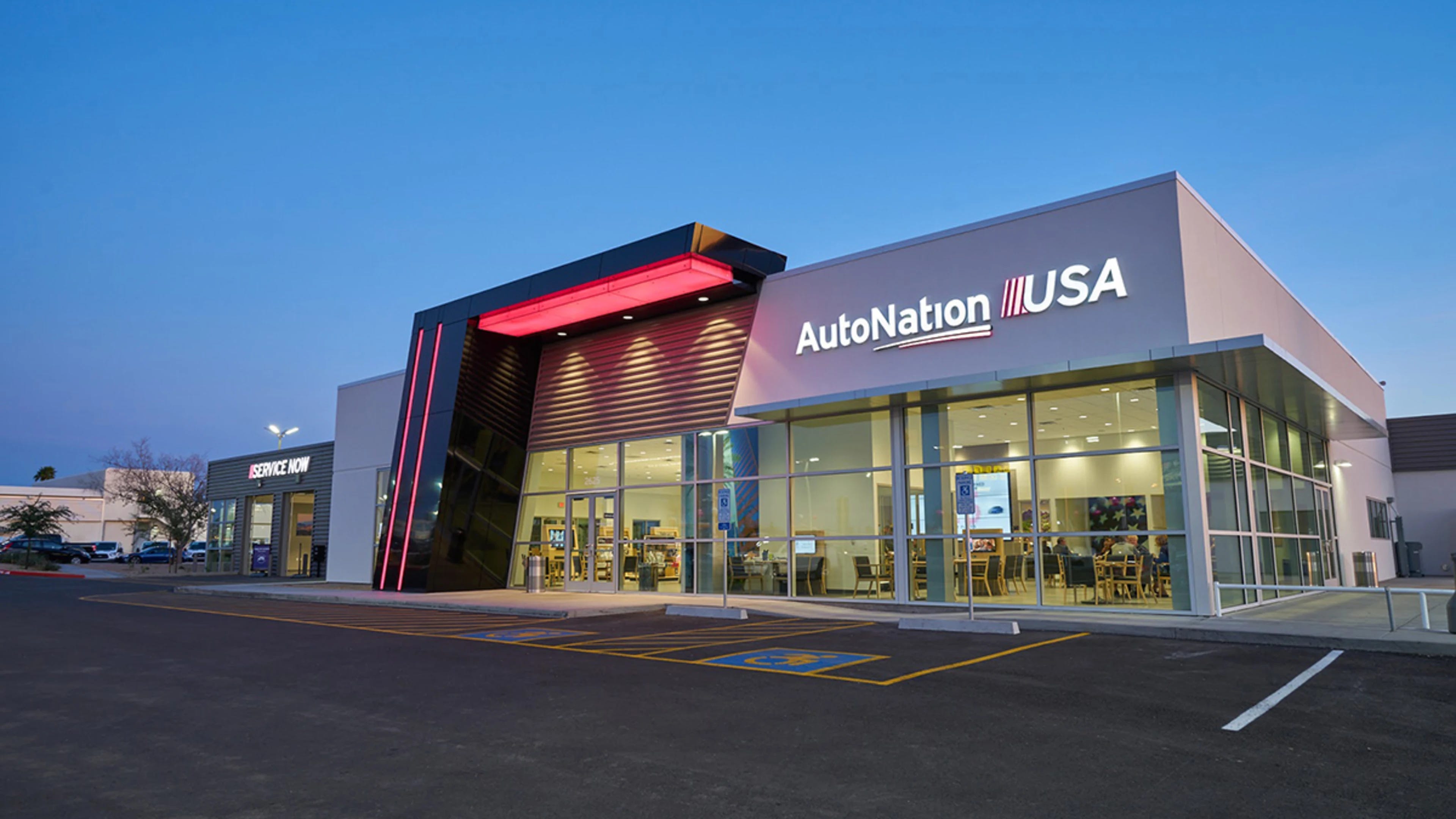
And now, the same story is unfolding with old-school car dealerships. The common belief is that electric vehicles will soon replace everything, making dealerships obsolete. But that narrative misses the real picture. Beneath the surface, these are some of the most resilient, cash-compounding businesses in the entire economy. And that’s exactly why I wanted to take a closer look at AutoNation (AN).
What’s clear is that the market is completely misvaluing this business. Just like with coal and oil, investors assume it’s a dying industry — that once EVs take over, nobody will need parts or service anymore. The reality couldn’t be further from the truth. Just for context — there are around 1.4 billion internal combustion vehicles in the world, compared to roughly 50 million EVs. That’s about 95% vs. 5%. From what I see here in Germany, the auto industry seems to be quietly pivoting back toward combustion engines. Public dissatisfaction with EVs is huge. Either way, the EV transition looks set to take decades — not years.
AutoNation is a powerful cash-generating machine that will keep printing money for many years. As cars become more complex, owners keep them longer and spend more on maintenance. The U.S. vehicle fleet is now the oldest in history and rising new-car prices and tariffs are only extending that trend.
Most people assume dealers make money by selling new cars. It sounds logical, but it’s completely wrong. New car sales are almost non-profitable — margins are razor-thin, and competition is brutal. The real profits come from what dealers themselves call “the back of the house”: parts, service, financing, insurance, and used cars. All of this means one thing — more service, more parts, more profit.
And now, as EV adoption proves slower than expected and the global vehicle fleet continues to age, the parts, service, and financing systems could quietly become one of the most profitable segments of the U.S. economy.
When I find a company that’s set to print cash for years and return almost all of it to shareholders through buybacks, I can’t help it — I get a little too excited. (Purely financially, of course. Let’s keep it professional. 😄)
In this deep dive, we’ll break down:
How the Business Really Works
The Macro Setup
The AutoNation Model
Capital Allocation
What It’s Worth
Risks
Am I Buying it
Let’s dive deep into AutoNation.