


In 1977, Warren Buffett’s partner Charlie Munger received a call from his broker offering him 300 shares of Belridge Oil, a company owning rich oil fields in California. Charlie accepted the offer.
“A guy called me offering 300 shares of Belridge Oil. I had the cash and I said - sure, I’ll take the listing. - Charlie Munger
Two days later, the same broker offered him 1,200 more shares. Charlie knew the company was extremely cheap — trading at less than 10% of its liquidation value. But he didn’t have enough cash on hand. To buy, he would have had to borrow money or sell something from his portfolio, so he passed.
Two years later, Shell acquired Belridge Oil. Charlie’s initial investment jumped from $35,000 to about $1 million. He reinvested that $1 million into Berkshire Hathaway stock, which he held for the rest of his life. The value of those shares increased to nearly $2 billion.
He later admitted it was his biggest investment mistake.
Charlie Munger on this (statement from 2013):
“Belridge Oil sold for about 35x the price I was going to pay within a year and a half. If I had made the different decision, the Mungers would be ahead by way more than a billion dollars as I sit here now. It was a real bonehead decision. There was no risk. I could have borrowed the money. There wasn’t the slightest risk in borrowing money to buy Belridge Oil. The worst that would happen was I would get out with a small profit. It was a really dumb decision. You don’t get that many great opportunities in a lifetime. When life finally gave me one, I blew it. So I tell you that story to say you’re no different from me. You’re not going to get that many really good ones — so don’t blow it.”
Had he also bought those extra 1,200 shares, and followed the same path — his investment today would be worth more than $8 billion!
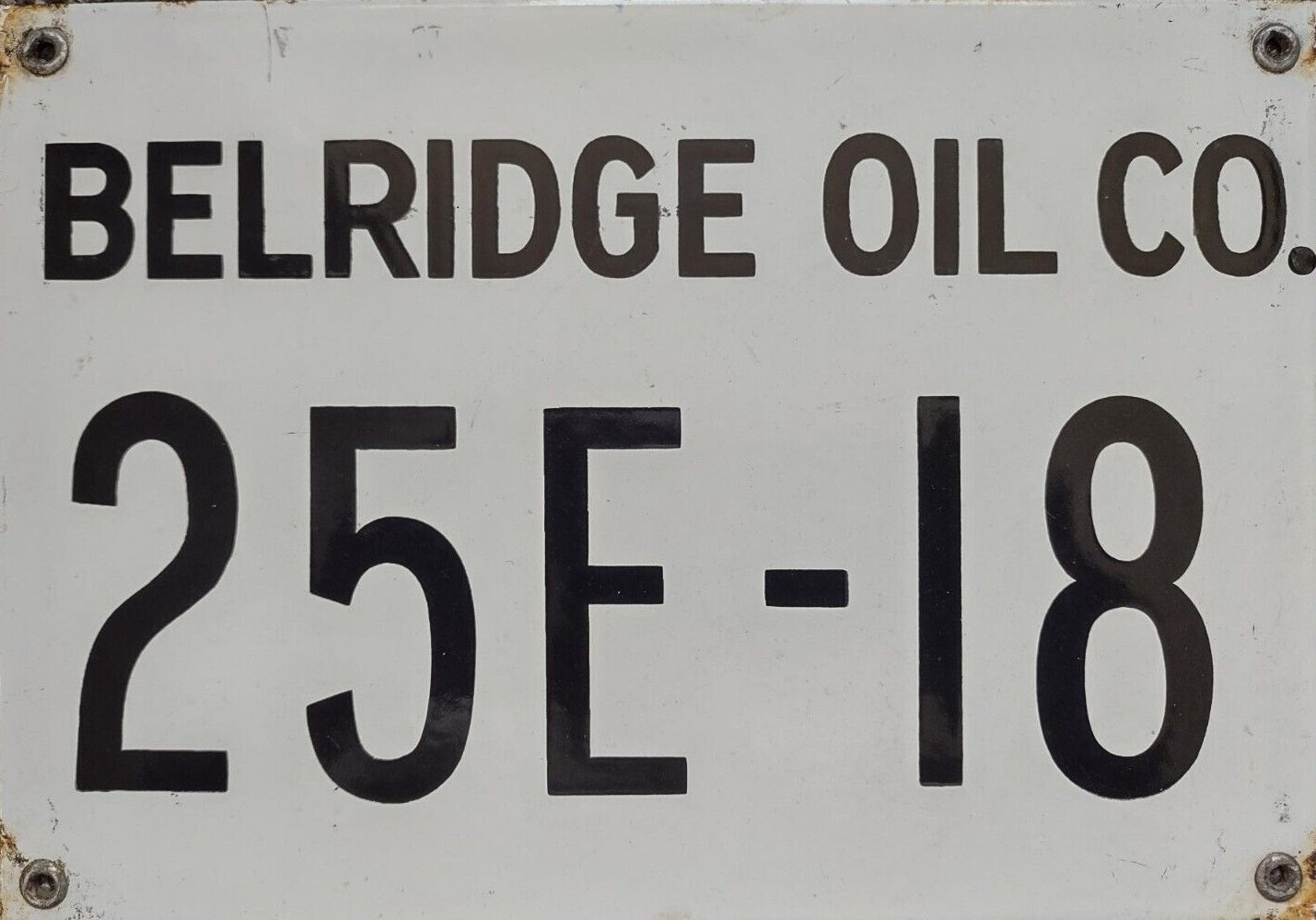
What Happened Next with Belridge Oil
In 1979, Shell acquired Belridge Oil for $3.6 billion, one of the largest oil deals of its time. Since then, Shell has extracted more than $60 billion worth of oil from Belridge’s fields — and they’re still producing to this day.
Lessons from Munger’s Belridge Mistake
The first lesson is simple: cash is king. As Warren Buffett wrote in his 2018 letter to shareholders:
“I will never risk getting caught short of cash.”
Opportunities like Belridge can appear suddenly — and only those with cash on hand can act. But what matters even more is valuation. Munger didn’t rely on DCF models. If you need to build a DCF model to justify the investment, it’s probably not cheap enough. He looked at the business in its simplest form: “What is it worth, and what am I paying? In Belridge’s case, he saw a company trading at roughly 10 cents on the dollar — around one-tenth of its liquidation value. That alone made it a no-brainer investment. But he still underestimated how good it was. Shell later extracted over $60 billion from Belridge’s oil fields — proving that the true value was hundreds of times higher than the 1977 market price.

My Approach to Investing
“Investing is really not that complicated. I would have two courses: one on how to value a business, and another on how to think about markets. If people grasped the basic principles in those two courses, they would be far better off than if they were exposed to a lot of things like modern portfolio theory or options pricing. Who needs options pricing to be an investor?” - Warren Buffett
Everything I do is built around the Munger–Buffett model — and honestly, why not?
I put money in today to get more back later. I estimate the probability of that return and how long it will take to play out. I focus on businesses I can truly understand — how they’ll evolve between today and judgment day, in cash. No DCF models, no guessing future multiples — just two questions: What’s the value of the business, and how is the market pricing it? That’s all. And when something makes absolutely no sense — that’s when I get interested. Simple as that.
And there’s another important factor when analyzing companies like Belridge Oil. Most investors forget that a balance sheet sometimes doesn’t show real asset value. Under accounting rules, companies can’t record their reserves or resources (like oil, coal, or minerals) at market value. They only show the cost of land, equipment, and development, minus depreciation.
That’s why Belridge looked absurdly cheap to him — the oil in the ground wasn’t visible in the numbers. The market priced the company using accounting data, while the real value was buried beneath the surface.
And what’s even better, I believe I’ve found a few companies that resemble Belridge Oil in their setup: very good assets, no debt, and trading at absurdly low valuations. Let’s quickly analyze how close they might be trading to their liquidation value.
