


Global oil reserves should last about 30 more years at the current pace of consumption.
Yet the industry faces rising costs and slowing productivity. The cheapest barrels are already gone, shale output is flattening, sanctions are tightening supply, and new projects require more capital for smaller returns.
On land, most major fields have been discovered, while the oceans remain largely unexplored. With modern technology, offshore drilling has become far more efficient, and investment is once again shifting toward deepwater.
Despite that, offshore drilling remains deeply out of favor, scarred by a decade of bankruptcies and ESG stigma. Most investors still remember the pain and stay away. That’s precisely why competition is scarce and why this might be the perfect time to buy a ticket. The theater’s empty, prices are low, and no one wants to watch the film — yet.
This post takes a closer look at Transocean and Valaris — two companies with arguably the strongest fleets in offshore drilling today.
Here’s what we’ll break down:
Fleet and Rig Quality
Management Quality
Debt and Capital Allocation
Earnings Potential in a Bull Market
And finally, we’ll take a closer look at the key risks associated with investing in the offshore sector, including a forward-looking view on whether new rig orders might eventually return to the market.
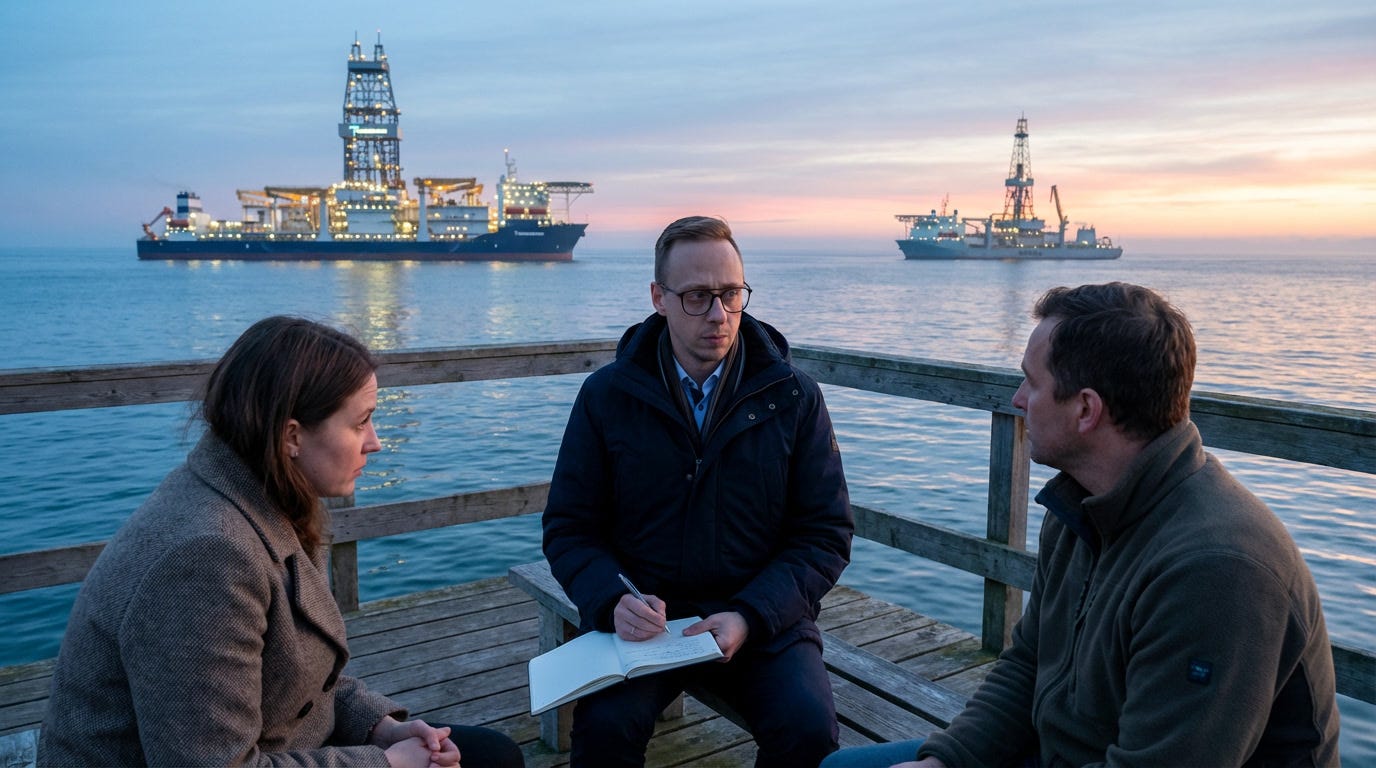
Fleet and Rig Quality
During every oil boom, contractors rushed to order new rigs, and after each crash, the industry was left with too many and too much debt. The last major overbuild happened before 2014, when hundreds of ultra-deepwater units were delivered just as oil prices collapsed.
A decade later, that cycle hasn’t returned. Shipyards are quiet, no one is ordering new rigs, and the global fleet keeps shrinking even as new offshore projects emerge. The industry remembers the pain of the past, and no one wants to risk ordering a billion-dollar drillship again.
With no new supply coming, fleet quality has become the key differentiator. And with both companies valued around $4 billion, the question is simple: which one gives you more for your money?
Transocean
Transocean is the company that dominates the hardest and most expensive wells on the planet. Its fleet includes:
26 ultra-deepwater units (capable of drilling beyond 7,500 ft)
including new-generation drillships like the Deepwater Titan and Deepwater Atlas — both 8th-generation rigs, the heaviest and most capable in the world.
Transocean’s top-tier fleet also includes several 7G+ rigs (Deepwater Aquila, Deepwater Orion, Deepwater Invictus) — technically 7th-generation units, but upgraded with advanced control systems that bring them close to 8G capability. The rest of the fleet is made up mostly of 6th-generation ultra-deepwater rigs.
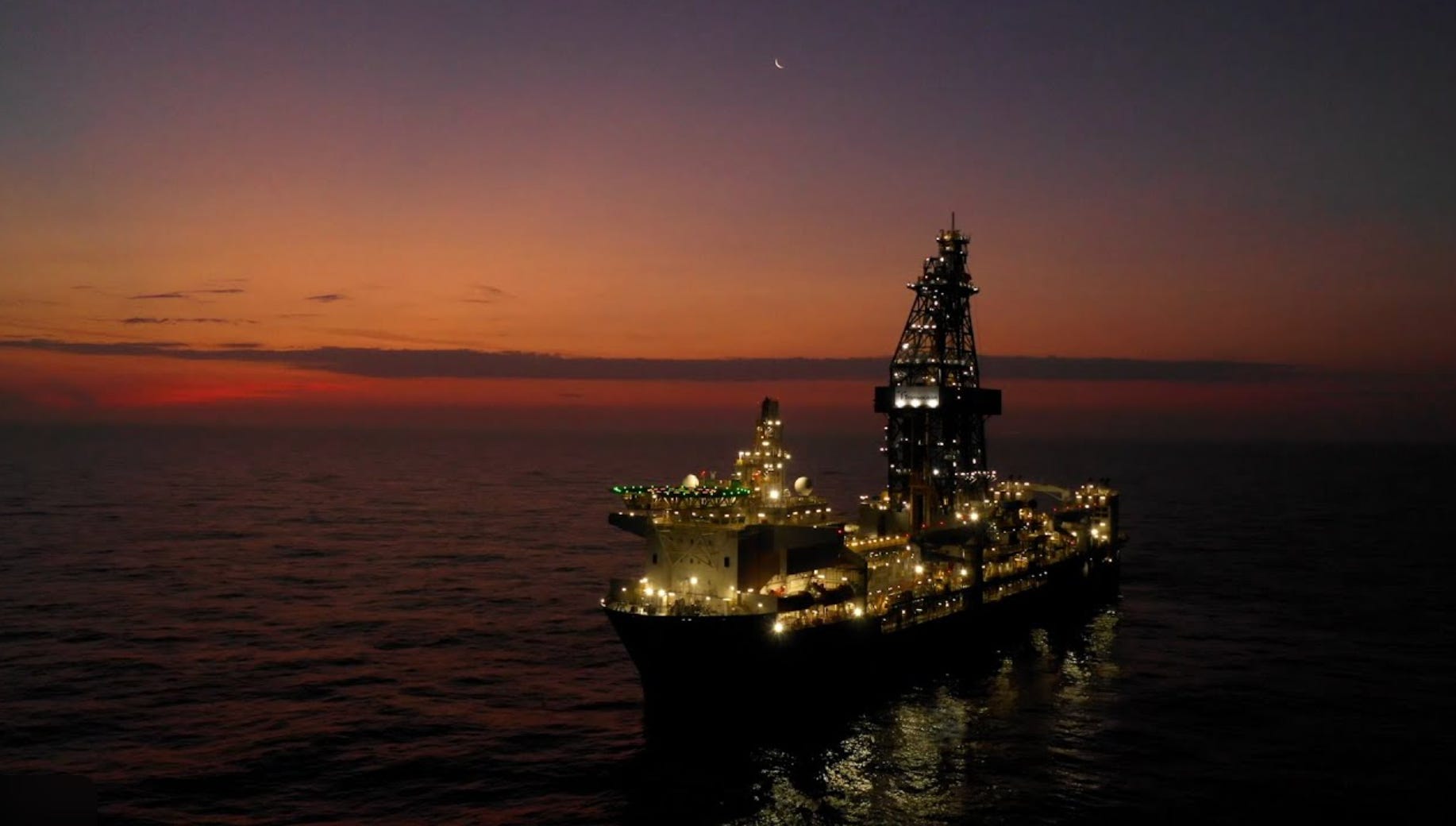
Valaris
Valaris runs a broader but less exclusive fleet. Its drillships are modern — mostly 7th generation builds (2013–2017) — though a few remain warm-stacked. These rigs form the backbone of Valaris’s deepwater operations, offering high capability and efficiency but without the ultra-premium specs of Transocean’s 8G units.
Beyond deepwater, Valaris operates dozens of jack-up rigs, smaller units working in shallower waters like the North Sea and the Middle East. It also owns a joint venture with Saudi Aramco (ARO Drilling), which provides steady, long-term cash flow. This structure gives Valaris more flexibility and lower risk, but also less earnings power per rig compared with Transocean’s high-end fleet.
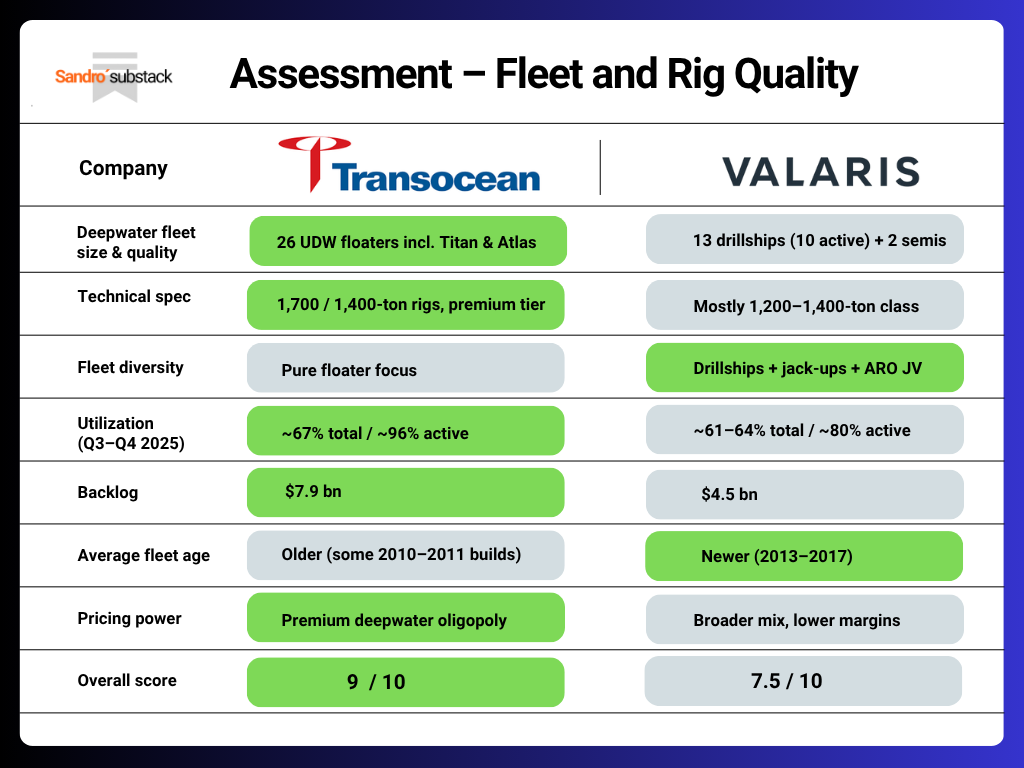
At roughly the same valuation, Transocean stands out. The company owns the most capable deepwater fleet on the planet, with rigs built for the harshest and deepest wells where few competitors can operate. Titan and Atlas are among the most valuable deepwater assets in the world, together likely worth more than Transocean’s entire market capitalization.
Score so far: 1–0 for Transocean. Next up — management quality.
