


“Be assured, my young friend, that there is a great deal of ruin in a nation.”
— Adam Smith, letter to Sir John Sinclair, 1777
In 2021 Ukraine dug up seven million tonnes of coking coal.
Six of them came out of one mine.
Pokrovske, in Donetsk oblast. Two hundred million tonnes still in the ground. Every other coking coal mine in the country, added together, did not reach a tenth of it.
On January 13, 2025, Reuters reported Russian troops less than two kilometres from one of its shafts. The next day the owner, Metinvest, shut it down. The miners came up. The coal did not.
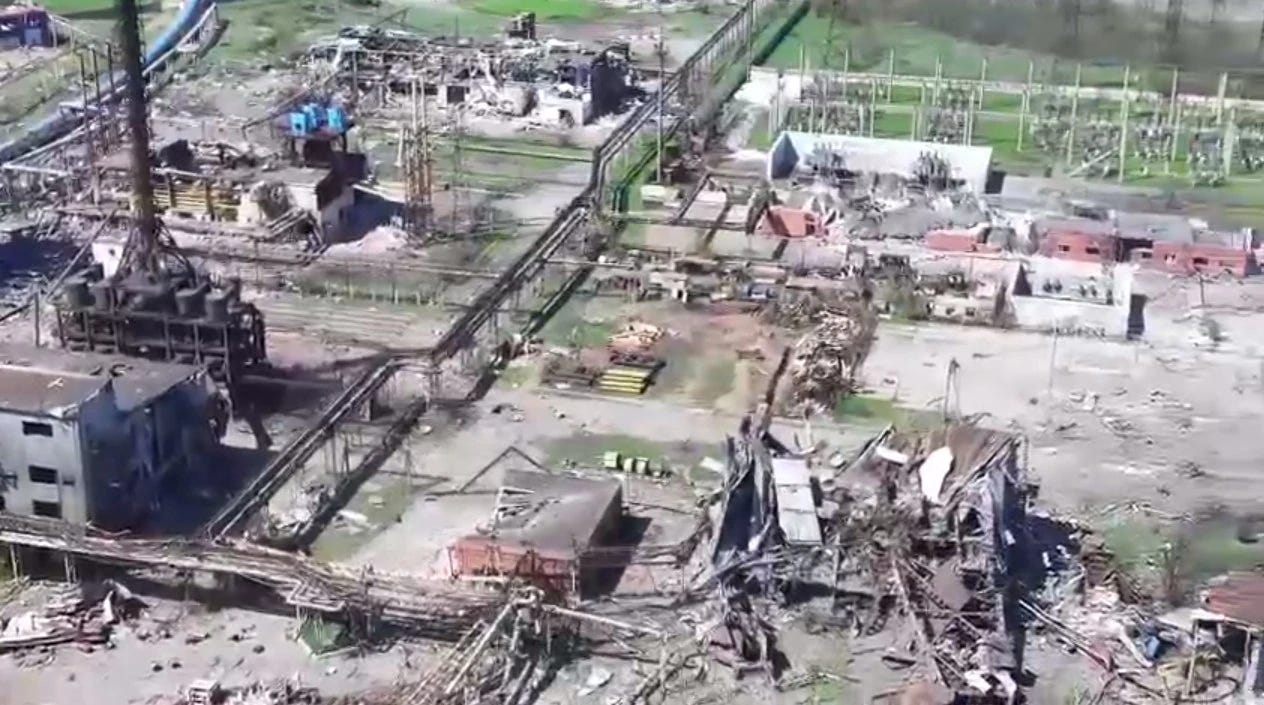
Since then Metinvest has written off $1.4 billion against the mine. What is left on its books for the shafts, the buildings and the machines is four million dollars. That is the owner telling its auditors what it thinks is coming back.
Then the coke plants. Coking coal is not burned. It is baked into coke, and coke is what a blast furnace eats. Ukraine had seven coke plants before the war. It has five. The biggest one in Europe, Avdiivka, is gone. Coke production fell from ten million tonnes to under three.
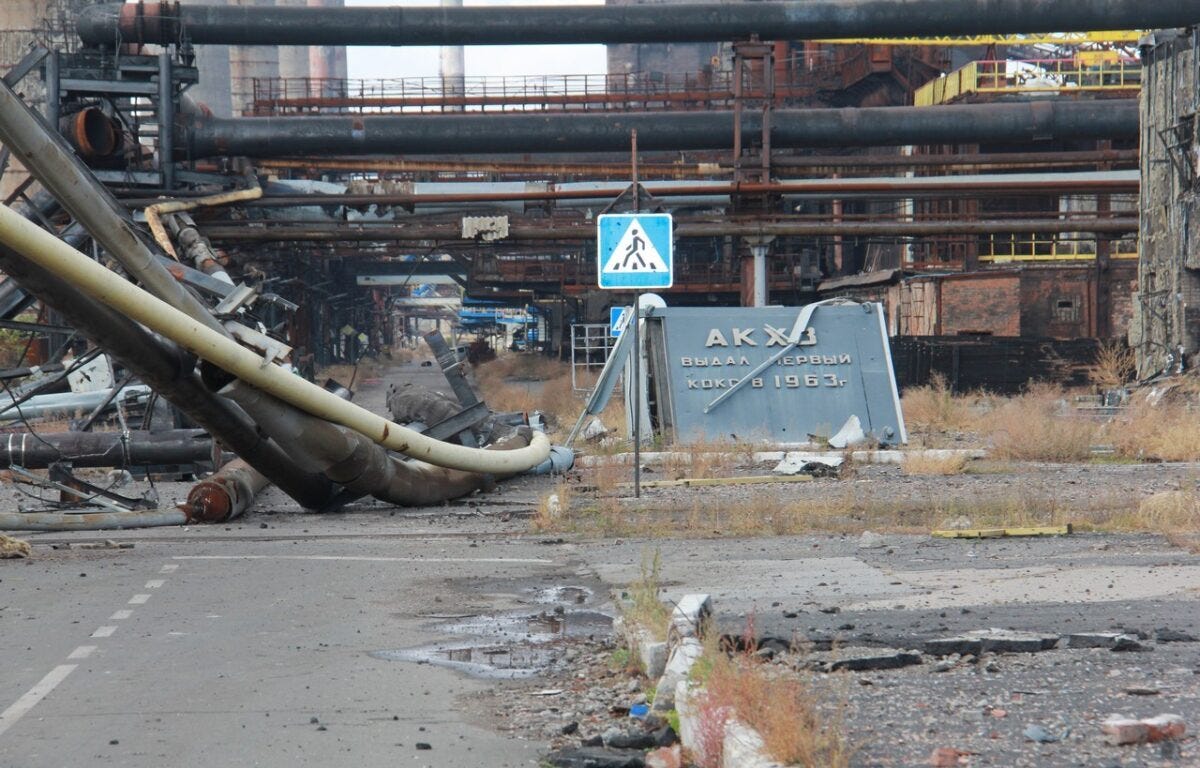
Then the steel. Twenty one million tonnes a year before the war. Seven last year. Mariupol alone took forty percent of the country’s capacity with it. What is left is five blast furnaces, three in Zaporizhzhia and two in Kamianske. On August 10 a Russian strike on Zaporizhstal killed seven people and stopped production.
That is the inventory. One mine, two coke plants, two steel cities, two thirds of the output.
Steel without coal
And yet Ukraine made seven million tonnes of steel last year with almost no coal of its own.
When Pokrovske stopped, every forecast had Ukrainian steel falling to two or three million tonnes. It did not happen. The mills bought the coal abroad. Coal imports tripled in 2025. Coke came in from Poland by rail, most of it from JSW, the Polish state miner.
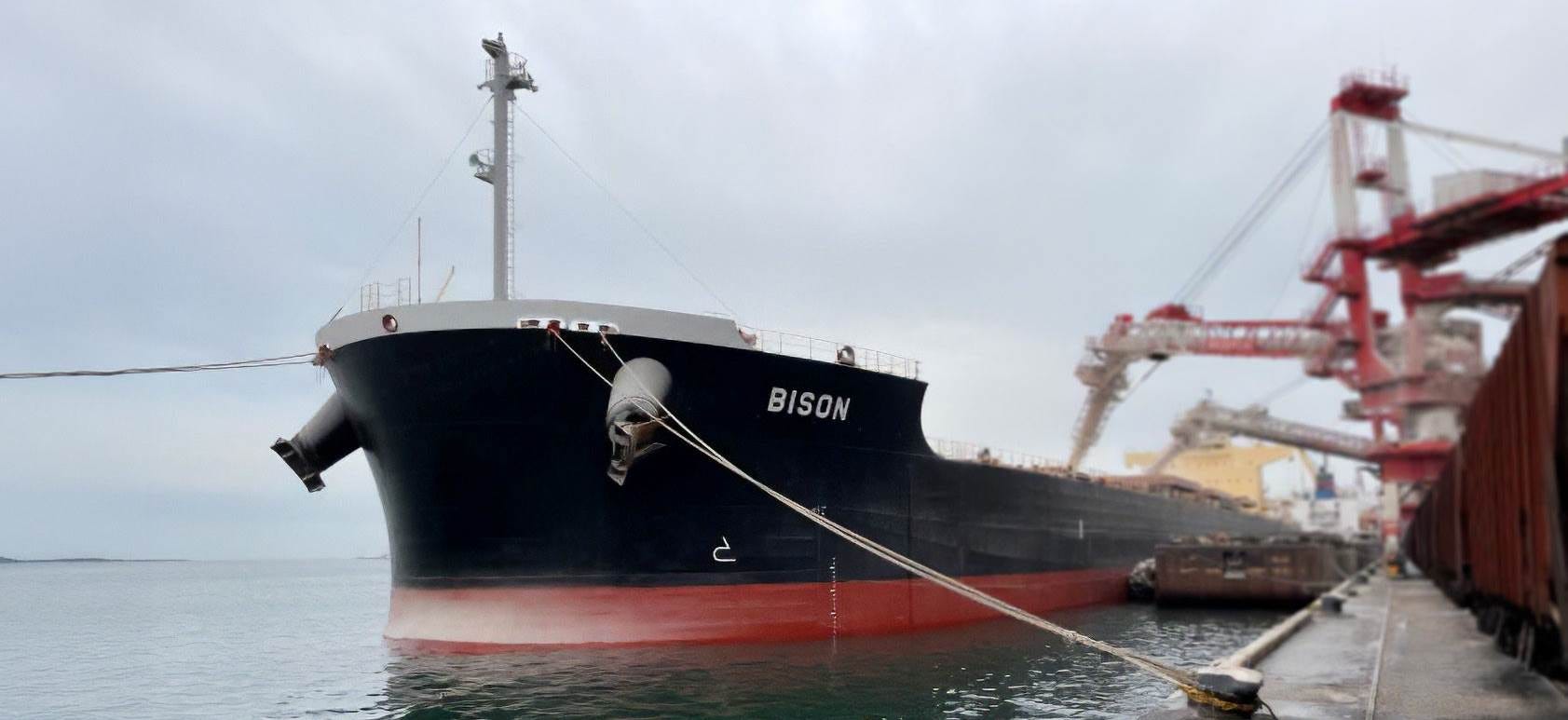
And in April 2025 a ship called the Bison docked in Ukraine with eighty thousand tonnes of coking coal from West Virginia. Metinvest owns a mine there too. When its Ukrainian mine died, it started feeding its Ukrainian coke ovens with its American coal, one ship a month.
Remember that ship.
The trade everyone has ready
On September 5, Steve Witkoff and Jared Kushner spent three hours with Putin in the Kremlin. Nothing was signed. But there is a process again, and every trader I know has the same reflex loaded.
Peace means sanctions come off. Sanctions off means Russian coal floods back. More coal means lower prices. Sell the coal stocks on the headline.
One fact against that reflex.
In 2025 Russian coal companies were offered thirty million tonnes of railway capacity they had already agreed to use. They did not show up. The trains were there. The slots were booked. The coal stayed in the ground.
Related metallurgical coal research
Seaborne Met Coal Market: Supply, Prices and Risks
Alpha Metallurgical Resources (AMR) vs. Warrior Met Coal (HCC)
Below the line, why that happened, what Russia actually sells, how much coal Ukraine really needs, and what a ceasefire does to the price.
