


Updated as of August 18, 2026. Sources are SEC filings, technical reports by Marshall Miller & Associates, Alpha’s investor deck, Q2 13F filings, and peer Q2 reports. Numbers are rounded.
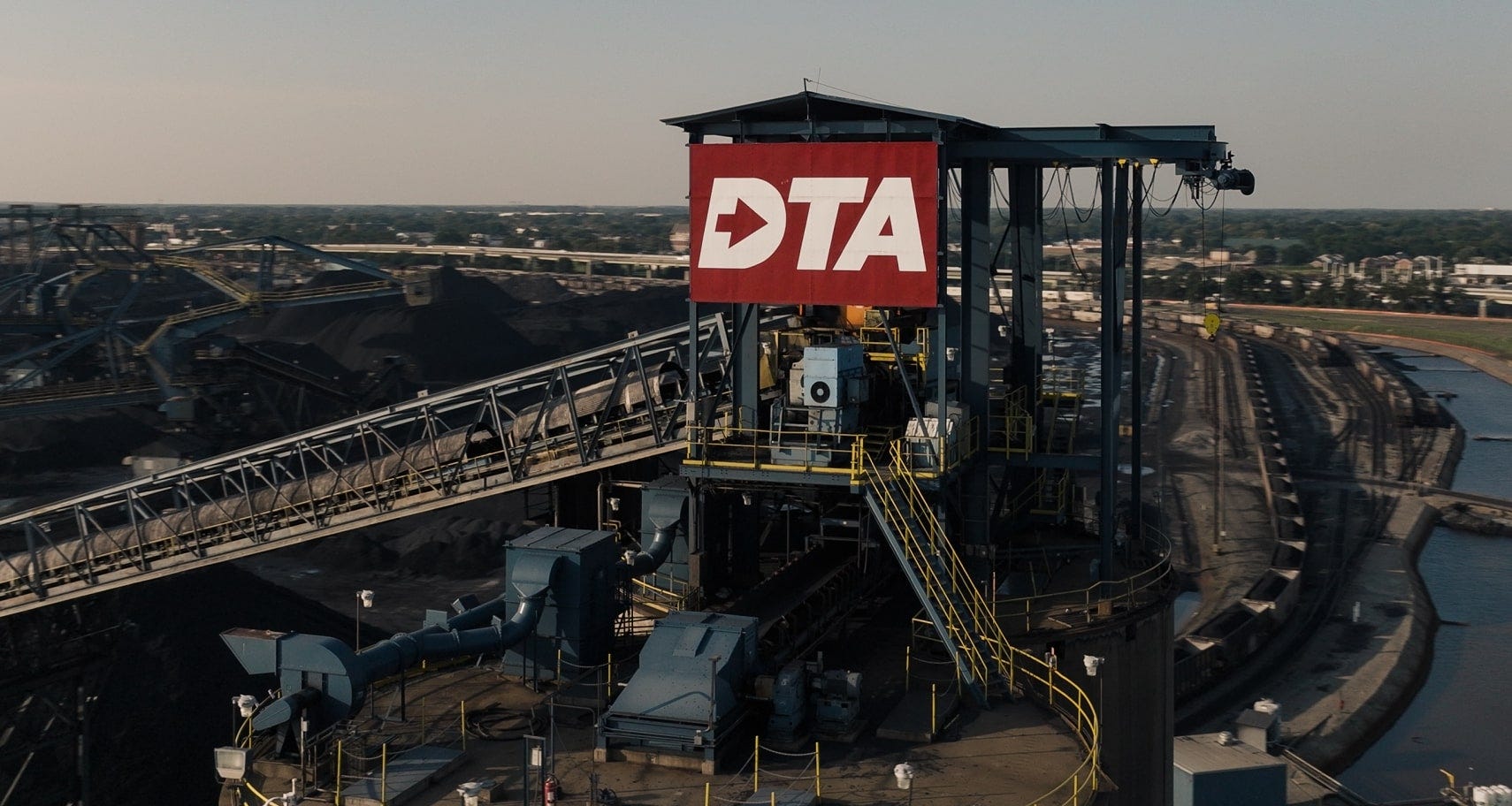
On June 14, a storm hit Newport News, Virginia. At the Dominion Terminal, where Alpha loads its coal onto ships, the wind bent one of the two giant stacker reclaimers into scrap.
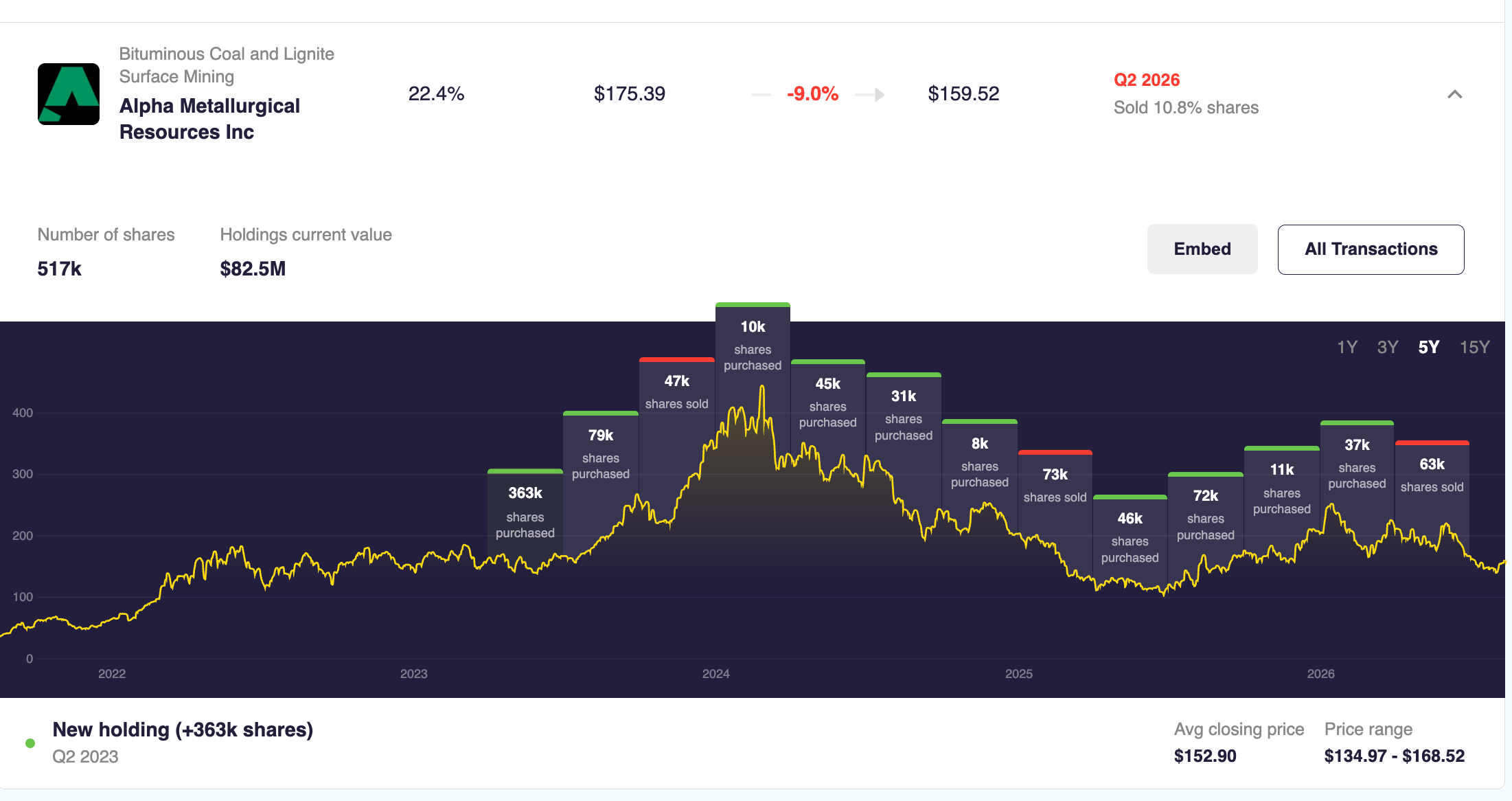
Six weeks later Alpha reported its third quarterly loss in a row. The stock sits around $160, down from $255 in the past year. And this week the 13F filings landed, showing that Mohnish Pabrai trimmed his AMR position by 11 percent.
Is Alpha in danger, or does this just take time?
I went through the 10-Q, the annual report and the technical reports to answer exactly that.
How much cash is Alpha burning?
In the first half of 2026 the business generated $68.9 million from operations. It spent $85.8 million on mines and equipment and $23.3 million on its share of the damaged terminal. So the operation burned about $40 million in six months. Management spent another $36.7 million on buybacks, but that part is voluntary.
For the full year, the burn depends on one variable. Alpha still has 4.1 million tons committed to customers but not yet priced. Every $10 per ton on those tons is about $41 million of revenue, and most of it falls straight through to cash. Price them near $115 and the full year burn approaches $90 million. Price them near $135 and the second half is roughly cash neutral.
Can they afford either outcome? Alpha holds $338.5 million in cash and short term investments against total debt of $11.4 million. The bank agreement requires a minimum of $75 million, so the usable cushion is about $263 million, with another $184 million of untouched credit behind it until 2029. The worst scenario above costs a third of one year of that cushion.
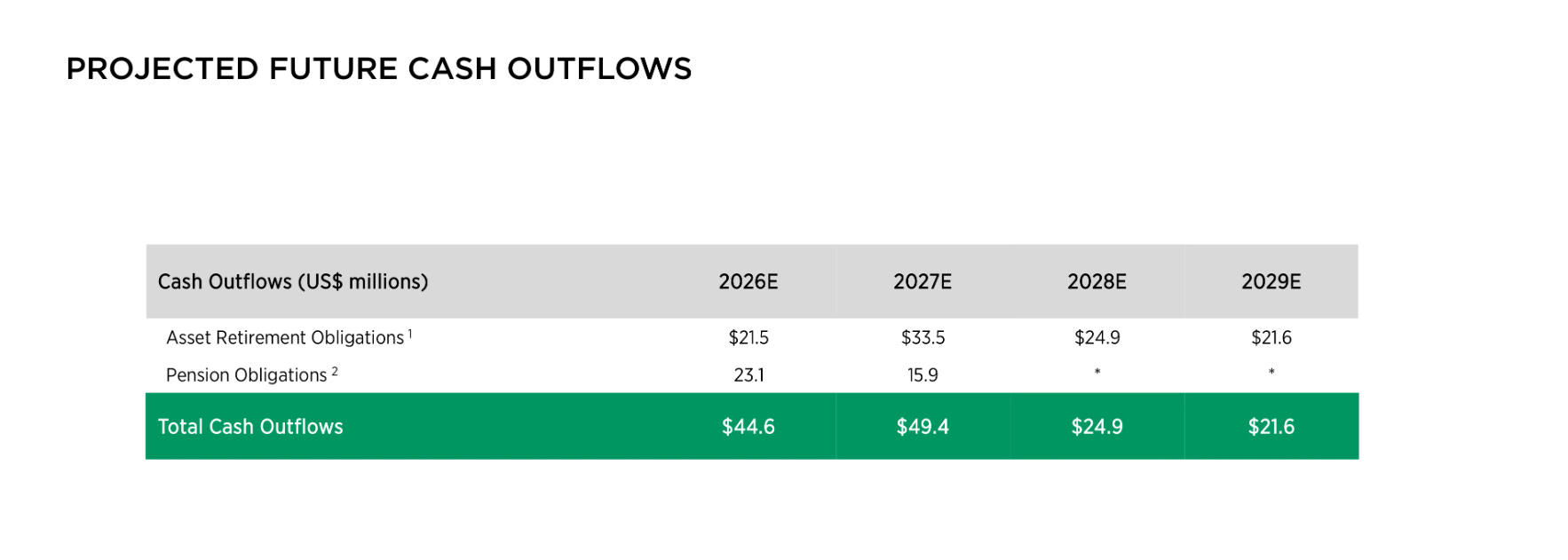
The legacy obligations people fear with coal companies are also visible and small. Alpha projects reclamation and pension outflows of $44.6 million in 2026 and $49.4 million in 2027, then roughly $25 million and $22 million in the two years after.
So there is no solvency question. The question is how fast the burn goes to zero.
What Alpha needs to do now
Everything in the next 18 months should serve one target. Bring the cash burn to zero without selling coal at giveaway prices. And most of the moves are already in motion.
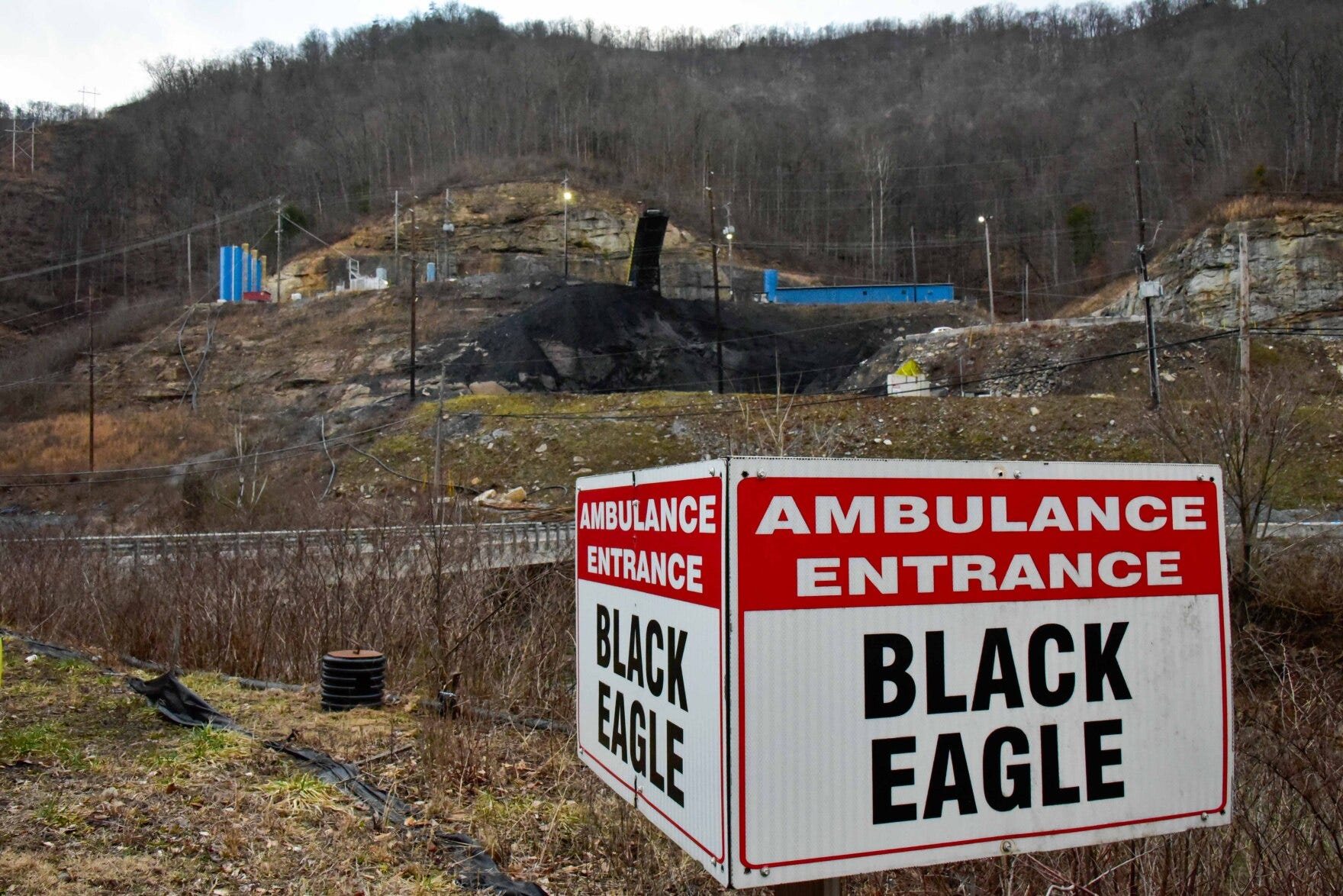
Keep cutting the losing tons. Alpha has already idled the Elk Run complex and the Long Branch surface mine and reduced output at Jerry Fork and Black Eagle.
Management ranks mines by margin, not by cost. If high vol prices stay here, expect more cuts. A ton sold at a loss is worse than a ton left in the ground, and the ground stores it for free. Keep routing coal to the best outlet. Their weaker high vol B currently earns roughly the same money in the thermal market, so it goes there.
Ramp Wildcat. The new mine reached production this year and builds through the second half. It mines low vol coal from the Sewell seam, and in the independent engineering models it carries the highest margin of any underground mine Alpha owns, over $40 of EBITDA per ton. Every Wildcat ton that replaces a high vol B ton upgrades the whole mix.
Collect the money already owed. Coal inventory swelled from $193 million to $262 million in six months, largely because the broken terminal slowed shipments. That is $69 million of cash sitting in coal piles, coming back as logistics normalize. The terminal insurance claim is filed too. No amount is disclosed, but Core Natural Resources, Alpha’s partner at the same terminal, just settled a comparable storm claim for its full $154.5 million policy limit, in cash, within months. I assume zero insurance money everywhere in this post. Whatever arrives is upside.
And bank the tax credit. Met coal was added to the federal list of critical minerals, which gives Alpha a refundable production credit worth 2.5 percent of production costs through 2029. That was $14.3 million in the first half alone, $28 million a year, paid even in loss years.
Add it up. Cuts shrink the losses, Wildcat upgrades the mix, inventory and insurance return cash, the credit covers most of the rest. A company burning $40 million per half year has a realistic path to roughly zero burn during 2027 even if coal prices do nothing.
And if the burn is near zero, the balance sheet answers the duration question. Alpha can operate in this mode more or less indefinitely. Not comfortably. Not profitably. But indefinitely. For contrast, Coronado Global Resources sits at $98 million of liquidity against roughly $700 million of debt, with its newest loan at 14 percent interest.
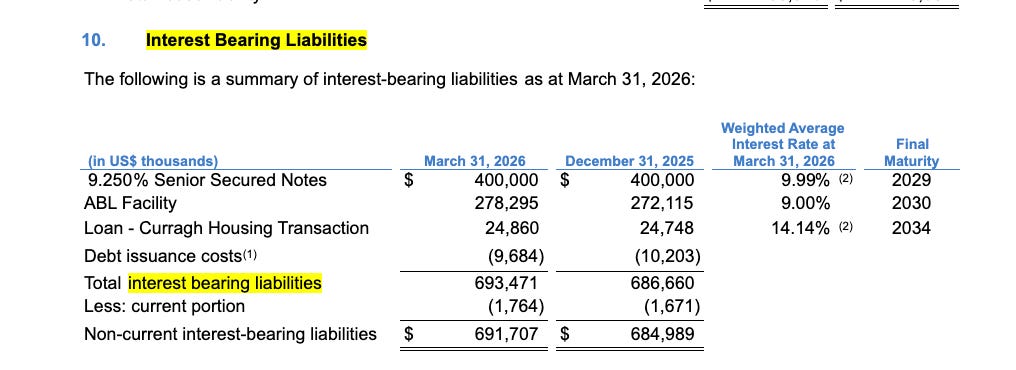
Alpha’s problem is patience. Coronado’s problem is oxygen.
Related AMR research
Alpha Metallurgical Resources (AMR): The Long-Term Investment Thesis
